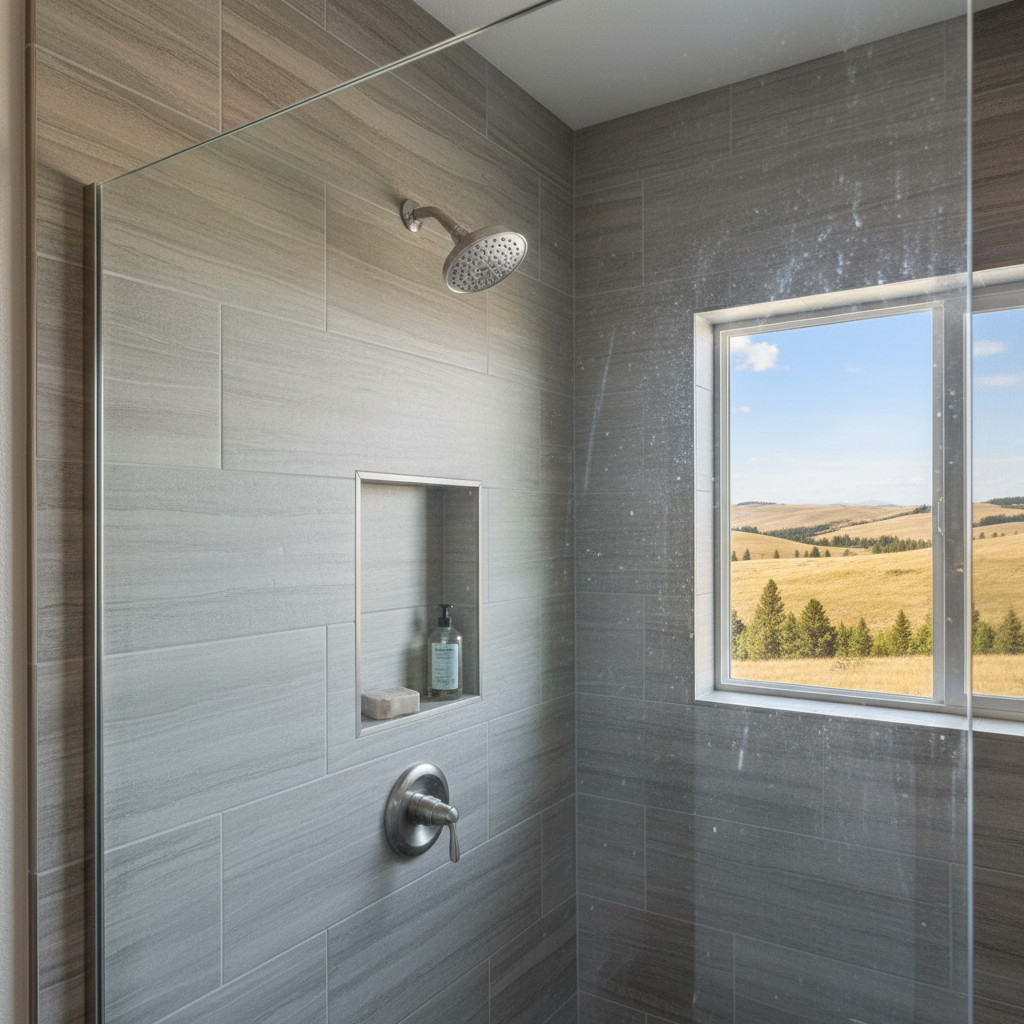
So, you're looking at that old shower and thinking it's time for a change, huh? Maybe it's leaky, maybe it's just plain ugly, or perhaps you're tired of cleaning mold out of grout lines that seem to multiply overnight. Whatever the reason, replacing a shower isn't a small job. But it's definitely one that can make a huge difference in your bathroom's look and feel. Let's talk about what's involved, from start to finish, and when you can roll up your sleeves versus when you absolutely need to pick up the phone.
Before You Start: Planning Your Shower Replacement
Planning is probably the most important part of this whole deal, no kidding. You don't want to rip out your old shower only to find out you can't get the new one to fit, or that you've got a plumbing nightmare on your hands. Trust me, I've seen it happen.
- Figure Out Your 'Why': Why are you replacing it? Is it just cosmetic? Are there leaks? Do you need better accessibility? Knowing this will guide your choices. If you've got a persistent leak, for example, you'll need to be extra diligent checking for water damage behind the walls once the old unit is out.
- Measure Everything, Twice: Get precise measurements of your existing shower's footprint. We're talking width, depth, and height. Also, measure your bathroom door and any hallways the new unit will have to pass through. You'd be surprised how often people forget this and end up with a shower pan stuck in the living room.
- Decide on Your New Shower Type: Are you going from a tub/shower combo to a walk-in shower? Or just replacing an old fiberglass stall with a new one? This impacts plumbing, framing, and what kind of base you'll need.
- Check Your Subfloor: This is crucial, especially in older Great Falls homes. If your subfloor is particleboard or damaged from previous leaks, it's gotta go. You need a solid, level surface for a new shower pan or tile base. Don't skimp here; a bad subfloor means a bad foundation for your new shower.
- Budget Realistically: Beyond the cost of the shower unit itself, factor in demolition, potential plumbing modifications, new wall materials (like cement board), waterproofing, and finishing materials like tile or panels. Don't forget disposal fees for the old unit.
During the Project: DIY vs. Calling a Pro
Alright, you've got your plan. Now for the actual work. This is where you need to be honest with yourself about your skills.
What You Might Be Able to DIY (If You're Handy):
- Demolition: Taking out the old shower enclosure, wall panels, and even the shower pan can often be done by a homeowner. Just make sure the water is OFF to that bathroom first! And wear proper safety gear – gloves, eye protection, and a dust mask. You'll kick up a lot of dust.
- Wall Prep: If you're replacing like-for-like (e.g., old fiberglass for new fiberglass), and the studs are sound, you might be able to install new cement board or other backer panels yourself. This involves cutting and screwing panels to the studs.
- Painting: Once the new shower is in and everything's sealed, painting the surrounding walls is definitely a DIY job.
When You Absolutely Need a Pro:
- Plumbing Modifications: If you're moving the showerhead, changing the valve location, or converting a tub drain to a shower drain, you need a licensed plumber. Messing with water lines and drains can lead to leaks, mold, and serious headaches down the road. It's just not worth the risk.
- Electrical Work: Adding new lighting, an exhaust fan, or moving an outlet near the shower? Call an electrician. Water and electricity don't mix, and safety is, well, everything.
- Structural Changes: Knocking down a wall to expand your shower? That's a structural change and requires a professional contractor to ensure you're not compromising your home's integrity.
- Advanced Tile Work & Waterproofing: While some folks can tile, getting it perfectly level, plumb, and properly waterproofed in a shower enclosure is an art. A professional tiler knows the right membranes, sealants, and techniques to prevent leaks. This is especially true if you're building a custom tiled shower pan. If you've got a concrete slab foundation, like many homes in the Fox Farm area, getting the drain properly sealed and pitched for a tiled shower base is critical.
- Complex Installations: If you're installing a multi-jet shower system, a steam shower, or a custom glass enclosure, a specialist is usually your best bet.
Look, I've seen enough DIY jobs go sideways to tell you: know your limits. Sometimes, saving a few bucks upfront ends up costing you double (or triple) to fix mistakes later. At Omega Bathroom Co., we get calls all the time to bail people out of situations that could've been avoided with a pro from the start.
After the Install: Maintenance and Enjoyment
So, the new shower is in, the dust has settled, and you're ready to enjoy it. Great! But your job isn't quite done. A little maintenance goes a long way to keeping that new shower looking good and functioning perfectly.
- Curing Time: If you had any new grout or caulk installed, make sure you follow the manufacturer's recommendations for curing time before you expose it to water. Rushing this can lead to failures.
- Regular Cleaning: Use non-abrasive cleaners, especially on new finishes and glass. Hard water is definitely a thing here in Great Falls, so a squeegee after every shower can prevent mineral buildup on glass doors.
- Check for Leaks: For the first few weeks, keep an eye out for any drips or damp spots around the base of the shower, the faucet, or where the walls meet the floor. Catching a small leak early can prevent major damage.
- Ventilation: Always use your exhaust fan during and after showering to pull out moisture. This prevents mold and mildew, which can quickly ruin the look of a new shower.
A new shower is a great investment in your home and your comfort. Do your homework, know when to call in the cavalry, and take care of it, and you'll enjoy it for years to come. If you're ever in doubt about a step, or just want to talk through your project, don't hesitate to reach out to a local expert like us at Omega Bathroom Co. We're here to help Great Falls homeowners get it right.