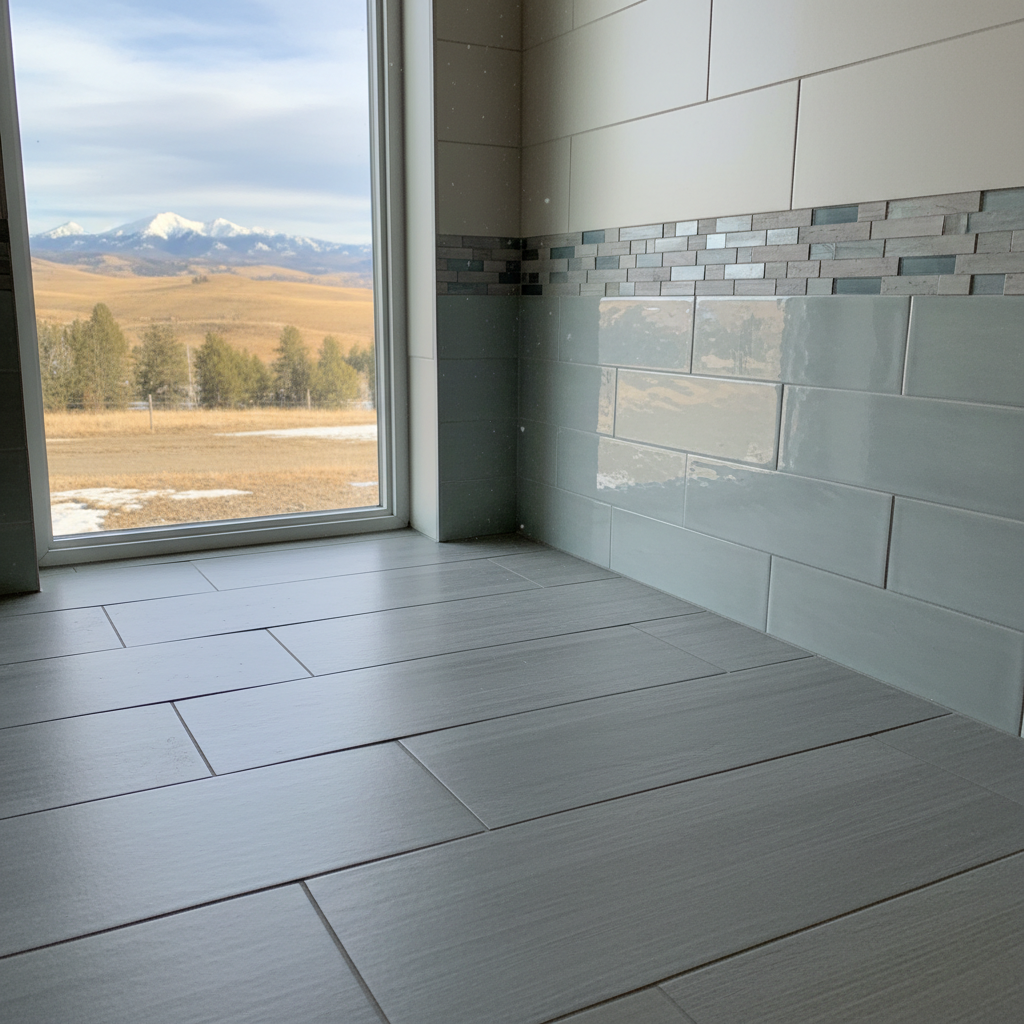
What's the best flooring for a Great Falls bathroom?
Honestly, that's probably the top question I get asked. For bathrooms, you absolutely need something that can stand up to moisture. That usually means ceramic or porcelain tile is your best bet. They're waterproof, super durable, and come in a million different styles. Vinyl plank flooring, especially the newer luxury vinyl plank (LVP), is another really solid choice. It's waterproof, pretty tough, and can actually look a lot like real wood or stone. I've noticed a lot of folks around the Riverview area picking LVP lately because it feels warm underfoot and handles kids and pets like a champ. What you really want to stay away from in a bathroom is anything that soaks up water, like solid hardwood or laminate. Unless it's specifically made for high moisture and you're okay with the risks, I'd still lean towards tile or LVP. Why worry, right?
How long does a typical tile installation take?
Well, that really depends on a few things: the size of the area, the kind of tile you're using, and how much prep work we need to do. For a small bathroom floor, maybe 5x8 feet, I might spend a day or two on demolition, getting things ready, and actually laying the tile. Then it's another day for grouting and sealing. If we're talking about a bigger master bath with a tiled shower, or if there are intricate patterns or a lot of cuts, you're probably looking at more like 3 to 5 days—sometimes even a full week—just for the tile work itself. And that doesn't even count the demo or any plumbing or electrical stuff. My advice? Don't rush it. Good tile work needs precision, and that takes time. Trying to cut corners here usually causes headaches later on.
Do I need to remove the old flooring myself?
You certainly can, but honestly, most of my clients prefer that I handle it. There's usually a cost for demolition, sure, but it makes sure the job gets done right and efficiently. Ripping out old tile, especially if it's set in a thick mortar bed, can be a real pain and create a huge mess. Plus, you might find other problems underneath, like subfloor damage or uneven spots that we need to fix before any new flooring goes down. If you do decide to tackle it yourself, just be ready for dust, debris, and potentially some heavy lifting. Just make sure the subfloor is clean, dry, and level before we show up.
What's the deal with grout? Do I really need to seal it?
Yep, you absolutely do, especially with cement-based grouts. Grout is porous, meaning it'll soak up water, dirt, and stains if you don't seal it. Just think about all the dirt and moisture in a bathroom or kitchen—unsealed grout will look dingy fast and can even grow mildew. Sealing puts a protective barrier over it that pushes away liquids and makes cleaning a lot easier. There are different kinds of sealers; some just sit on top, others really sink in. I usually suggest a penetrating sealer for most jobs. Now, some newer grouts, like epoxy or urethane-based ones, are stain-resistant and don't need sealing, but they're a whole different animal to work with and often cost more upfront. We always talk about all this during the planning phase at Omega Bathroom Co.
Can I put new flooring over existing flooring?
Sometimes, yes, but it's rarely the best way to go. Laying new flooring right over old stuff can save a little on demolition costs, but it often creates more problems than it solves. It can make the floor higher, which then causes issues with doors, transitions, and even appliances. It also means you're building on what might be an unstable or uneven base, and that can lead to cracks or failures in your brand new flooring. The only time I'd really think about it is if the existing floor is perfectly flat, stuck down well, and actually works as a good subfloor for the new material—like putting LVP over a very flat, solid sheet vinyl, for example. Even then, I'd want to inspect it super thoroughly. Most of the time, it's just better to pull out the old stuff and start fresh on a solid foundation.
How do I pick the right tile for my style and budget?
This is where things get fun, but it can also feel a bit overwhelming. First, think about what the room is actually for. Is it a high-traffic area? A really wet spot? That'll help narrow down your material choices. Then, consider your home's overall style. Do you want something modern, traditional, or maybe rustic? Look at colors and patterns that go well with what you already have. For budget, tile prices vary wildly. Ceramic is generally more affordable, while natural stone or intricate mosaics can get pretty pricey. Don't forget to factor in installation costs, which can sometimes be more than the material itself, especially for complex layouts. My advice? Grab some samples, take them home, and see how they look in your actual lighting. Don't be afraid to mix and match. We can always help you find materials that fit your vision and your wallet.
What about radiant floor heating under tile? Is it worth it in Great Falls?
Absolutely, it's worth thinking about, especially here in Great Falls where our winters can be brutal. There's really nothing quite like stepping out of the shower onto a warm tile floor when it's twenty below outside. It's a luxury, for sure, but it adds incredible comfort and can even bump up your home's value. You've got two main types: electric mats or hydronic (water-based) systems. Electric mats are usually simpler and more cost-effective for a single room like a bathroom. The installation adds a bit of time and cost to the project, since the heating elements need to be laid and tested before the tile goes down. But for that cozy feeling on a cold Montana morning, many homeowners tell me it's one of the best investments they made in their bathroom remodel.