Alright, let's talk plumbing. I see a lot of folks here in Great Falls, especially after a long winter with frozen pipes or when they're trying to spruce up an older home, wondering what they can realistically do themselves when it comes to plumbing. It's a fair question, right? Nobody wants to pay a pro for something they could've handled with a wrench and a YouTube video, but you also don't want to turn a small drip into a flood.
Before You Even Think About Touching That Pipe
Preparation is key, plain and simple. Before you loosen a single fitting or cut a single pipe, you need to know a few things. First off, where's your main water shut-off valve? In most Great Falls homes, especially the older ones in the Upper West Side or downtown, it's usually in the basement near the water meter, or sometimes outside in a buried box. Find it. Test it. Make sure it works. You certainly don't want to be scrambling when water's gushing. Second, know your project. Are you replacing a leaky faucet? Unclogging a drain? Installing a new toilet? Each one has different demands.
For anything beyond a simple drain clog, you'll want to have some basic tools. A good set of wrenches (adjustable and basin wrenches are invaluable, by the way), pipe dope or Teflon tape, a bucket, and plenty of rags. Trust me, you'll always need more rags than you think. And for drain work, a plunger and a drain snake are your best friends.
DIY Plumbing: What You Can Probably Tackle
Okay, so what's usually fair game for the average homeowner? Here's a quick rundown of what I've seen people successfully do:
- Clearing simple clogs: A plunger works wonders for most toilet and sink clogs. If that doesn't do it, a small hand snake can often clear hair and gunk from a sink or tub drain. Just be careful not to force it.
- Replacing a showerhead: This is usually just unscrewing the old one and screwing on the new one, maybe with some Teflon tape. Easy peasy.
- Fixing a leaky faucet (sometimes): If it's just a dripping faucet, often it's a worn-out washer or O-ring. You can usually find repair kits for common faucet brands at the hardware store. It takes patience and a good diagram, but it's doable.
- Replacing a toilet flapper or fill valve: These are common wear-and-tear items. Kits are readily available, and the instructions are usually pretty clear. It's a great way to stop a running toilet and save on your water bill.
- Installing a new toilet: If you're replacing an old toilet with a new one, and the flange is in good shape, this isn't too bad. Just make sure you get a good wax ring seal and don't overtighten the bolts.
The key here is 'simple' and 'sometimes'. If you hit a snag, or if it feels like you're going to break something, stop. That's when you call in the pros.
When to Call Omega Bathroom Co (or Another Pro)
Look, there's no shame in knowing your limits. In fact, it's smart. Here's when you should absolutely pick up the phone and call a licensed plumber:
- Major leaks or burst pipes: Especially with our Great Falls winters, a burst pipe can cause serious damage fast. Shut off the water immediately and call someone. Don't try to patch it yourself unless you're a seasoned pro.
- Water heater issues: Gas lines, high water pressure, and complex venting are not DIY projects. Leave water heater repair or replacement to the experts.
- Sewer line backups: If multiple drains are backing up, or you smell sewage, you've got a main line issue. This is messy, potentially hazardous, and requires specialized equipment.
- Low water pressure throughout the house: This could indicate a problem with your main water line, a pressure regulator, or even sediment buildup in your pipes. It needs proper diagnosis.
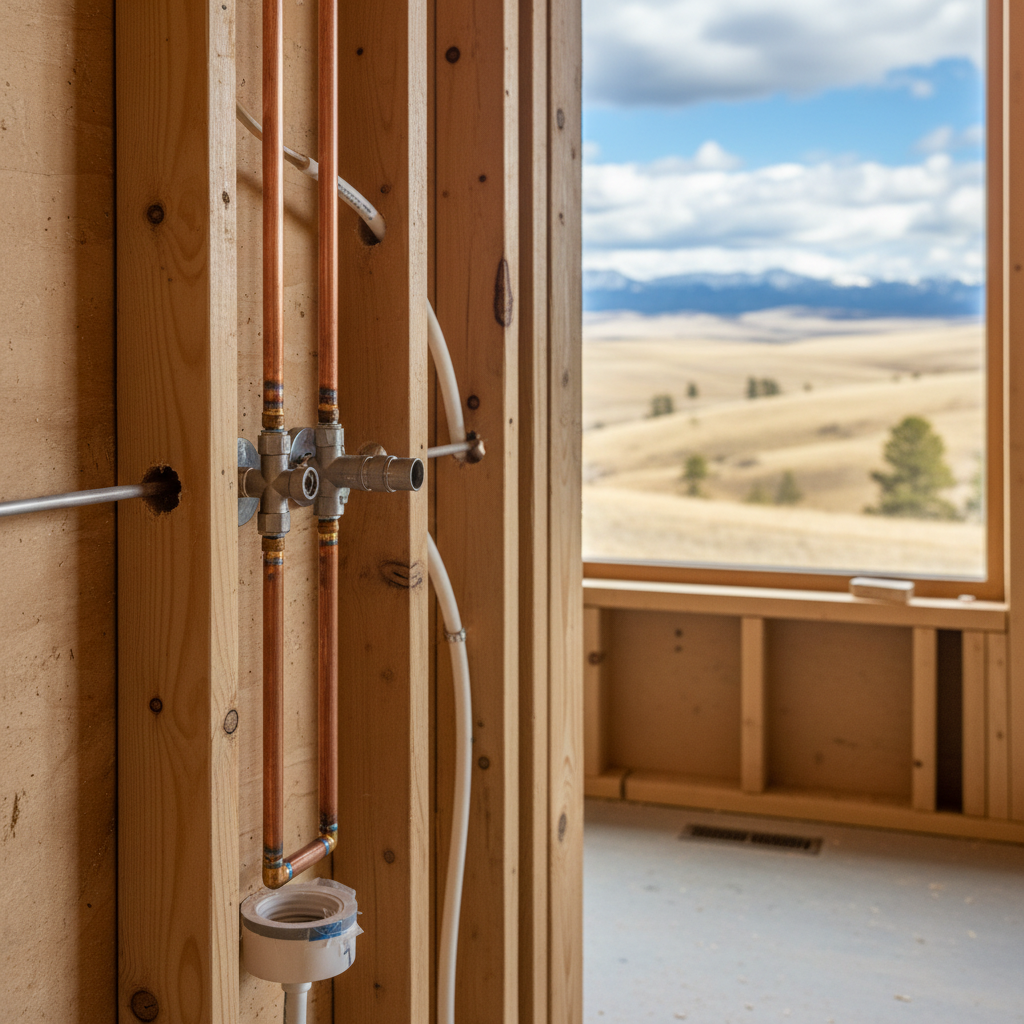
- Any project involving opening walls or floors: If you're getting into moving drain lines, adding new fixtures that need new supply lines in the wall, or anything that involves cutting into your home's structure, call us. You don't want to accidentally hit electrical wires or structural elements.
- Gas line work: This is a non-negotiable. Never, ever mess with gas lines yourself.
Even for things like replacing a garbage disposal, while some homeowners can manage it, if you're not comfortable with electrical connections and heavy lifting in a tight space, it's better to get help. We've seen plenty of DIY attempts turn into bigger, more expensive problems because someone tried to save a few bucks and ended up flooding their kitchen or causing electrical shorts.
After the Project: What to Look For
Whether you did it yourself or hired Omega Bathroom Co, the job isn't done until you've checked everything. Turn the water back on slowly. Check for leaks immediately. Run the faucet, flush the toilet, or run the shower for a few minutes. Look under the sink, around the base of the toilet, and at all the connections. Even a tiny drip can cause big problems over time, especially with our dry climate here in Great Falls where moisture can linger and cause mold in hidden spots.
Keep an eye on things for the next few days. Sometimes a slow leak won't show up right away. If you notice any dampness, drips, or hear strange noises, address it right away. A little vigilance after the fact can save you a lot of headache down the road. Knowing when to roll up your sleeves and when to pick up the phone is the smartest approach to plumbing in your home.