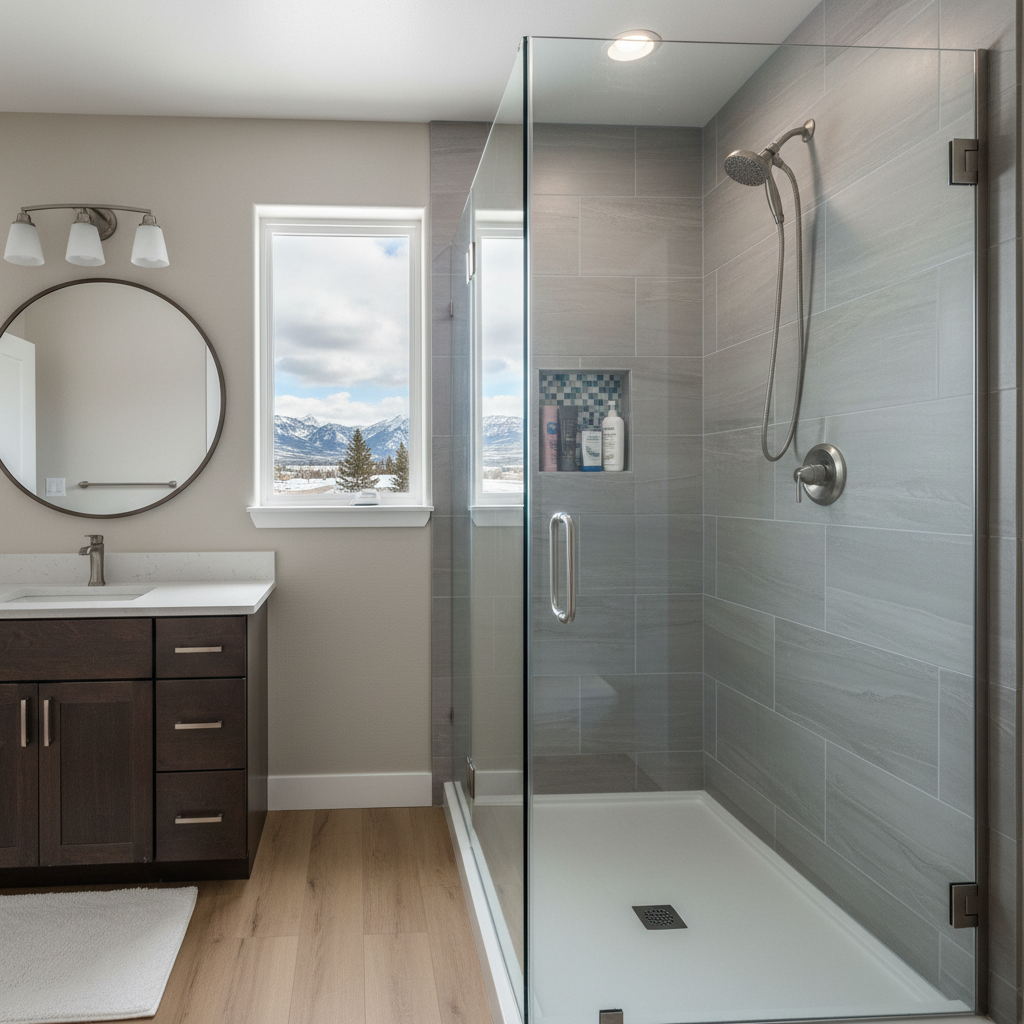
Pulling off an old shower surround often reveals a soggy mess behind the drywall. Omega Bathroom Co has seen this happen many times in older homes around the Gibson Park neighborhood in Great Falls, MT. When homeowners start a shower upgrade, it is easy to focus only on the tile choices or the shiny new fixtures. But the real success of Bathroom Remodeler projects comes down to what happens before any finish materials go on the walls.
Skipping important details during the planning phase usually leads to expensive headaches down the road. Omega Bathroom Co looks at what trips people up and how you can keep your Bathroom Remodeler project on track in Great Falls, MT.
Falling for the Lowest Bidder Trap
Everyone loves a bargain, but ultra-low bids are usually a massive red flag. If a contractor comes in way under everyone else, they are cutting corners somewhere. Often, that means skipping waterproof membranes, using cheap backer board, or rushing the plumbing rough-in. Omega Bathroom Co spends the necessary time making sure waterproofing is airtight because moisture issues will rot out framing faster than you think.
Homeowners should always ask how contractors handle waterproofing. If they tell you greenboard is enough for a wet area, run the other way.
Ignoring Plumbing Quirks in Older Homes
Houses near the downtown area have character, but they also come with galvanized pipes and outdated drain locations. Do not assume a standard prefab shower pan will just drop right into place without modifying the subfloor or moving supply lines. Omega Bathroom Co helps you save a lot of stress by having a professional inspect the behind-the-wall plumbing before you buy materials for Bathroom Remodeler work.
Forgetting About Ventilation
Montana winters bring freezing temperatures outside and steamy humidity inside Great Falls homes. If your bathroom fan sounds like a jet engine and barely moves any air, your new shower will quickly breed mold and peel paint. Make sure your upgrade plan includes a properly sized exhaust fan that vents directly outside, not just into the attic space.
Taking the time to plan right means you will not have to worry about leaks or premature wear when the next cold snap hits.