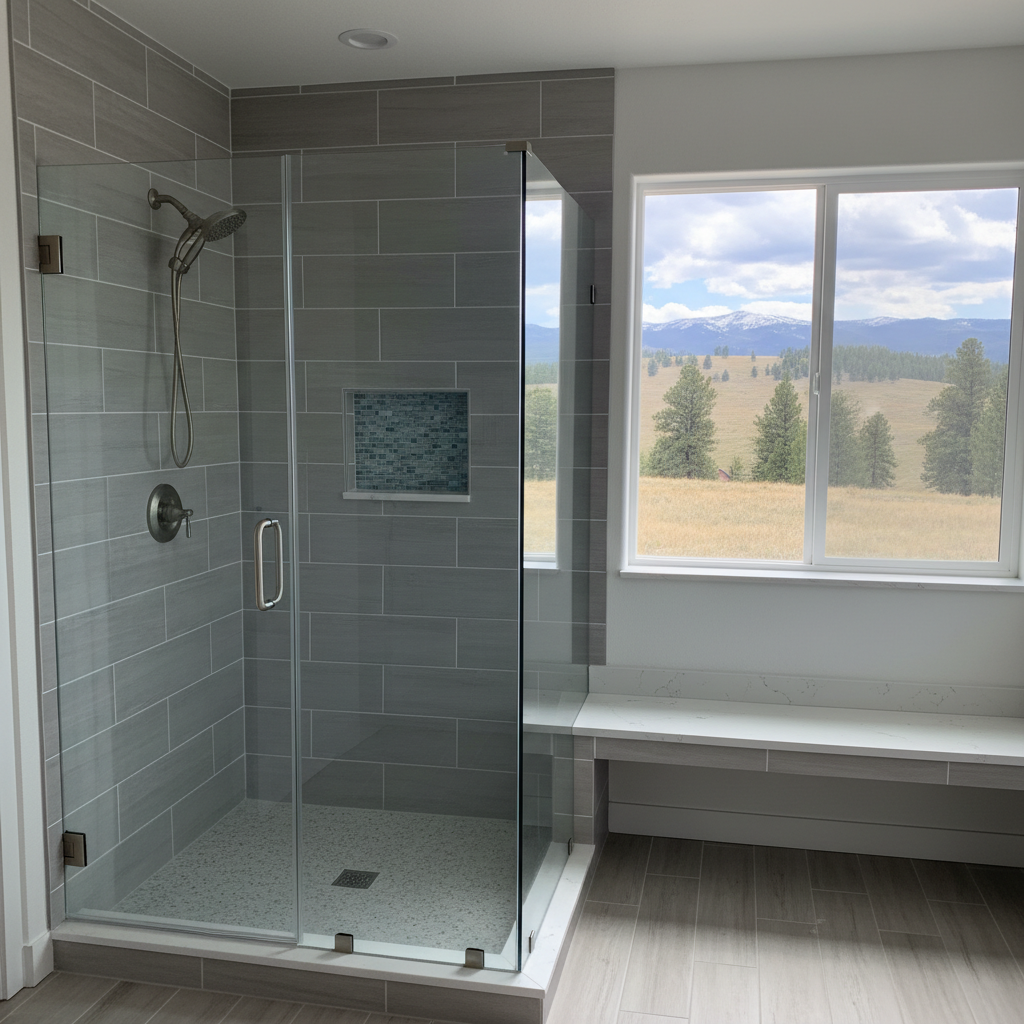
So, you're ready to ditch that old shower and get something fresh. Maybe it's leaky, maybe it's ugly, or maybe you just want a more accessible setup. Whatever the reason, a shower replacement is a solid investment in your home. But before you start tearing things out, let's talk about getting this project planned right. I've seen enough remodels in Great Falls to know that a little foresight goes a long way.
Understanding Your Project Timeline
People always want to know, "How long is this going to take?" It's a fair question, and the answer isn't always a simple number of days. For a standard shower replacement – meaning we're taking out the old, putting in the new, and not moving walls or major plumbing lines – you're generally looking at about 3-5 days of actual on-site work. That's for the demolition, plumbing rough-in, pan installation, wall surrounds, fixtures, and sealing.
Now, that's just the work time. The overall timeline includes planning, material selection, and scheduling. From your first call to the day we start, it could be anywhere from a few weeks to a couple of months, depending on how quickly you make decisions and current material lead times. Custom glass enclosures, for example, can add a few weeks to the wait.
What to Expect During the Process
Once we kick off, here's the general flow:
- Day 1: Demolition. This is the messiest part. We'll protect your floors and belongings, but expect dust and noise. We're tearing out the old shower walls, pan, and fixtures. Sometimes we find surprises behind the walls – old water damage, mold, or shoddy framing. We'll always stop and talk to you if we hit something unexpected that needs addressing.
- Day 2: Plumbing & Pan. The plumber comes in to adjust any lines, install the new valve, shower head, and drain. Then, the shower pan goes in. This is critical for preventing leaks down the road.
- Day 3-4: Walls & Fixtures. Whether it's tile, acrylic, or another solid surface, the new shower walls get installed. Then we put in your chosen shower head, handle, and any accessories like grab bars or shelves.
- Final Day: Sealing & Cleanup. We'll do any necessary caulking, a thorough cleanup, and a final walkthrough with you. We'll show you how everything works and make sure you're happy.
During this time, your bathroom will be a construction zone. You won't be able to use that shower, obviously, and sometimes the toilet or sink might be temporarily out of commission too. Plan for an alternate bathing spot if you only have one bathroom.
How to Prepare Your Home
A little prep on your end makes the whole thing smoother:
- Clear the Space: Remove everything from the bathroom – toiletries, towels, rugs, decor. If there's furniture nearby that could get dusty, cover it or move it.
- Access: Make sure there's a clear path from your front door to the bathroom. We'll be bringing in materials and tools, and taking out debris.
- Pets & Kids: Keep pets and small children away from the work area. It's noisy and dusty, and there will be tools and materials that aren't safe for them.
- Parking: If you have a driveway, let us know if there's a preferred spot for our work vehicle and a dumpster if we're using one.
- Communication: Be available for questions. Sometimes a quick decision is needed on site.
And hey, if you're in an older part of Great Falls, like the Upper West Side with those charming, but sometimes quirky, original plumbing systems, we might need a bit more time for demo. Those old cast iron pipes can be stubborn.
Questions to Ask Before Signing a Contract
This is where you protect yourself and ensure you're getting what you expect. Don't be shy about asking these:
- What's included in the price? Get a detailed breakdown. Does it cover demolition, new plumbing, materials (pan, walls, fixtures, glass), installation, and debris removal? What about unexpected repairs if we find something behind the walls?
- What's the warranty? Ask about both the product warranty and the labor warranty. How long is it good for, and what does it cover? At Omega Bathroom Co, we stand behind our work.
- Who will be doing the work? Will it be your employees, or subcontractors? If subs, are they licensed and insured?
- What's the payment schedule? A reputable contractor won't ask for 100% upfront. Expect a deposit, progress payments, and a final payment upon completion and your satisfaction.
- How do you handle changes or unforeseen issues? Get it in writing how change orders are managed – what's the process for approval and pricing adjustments?
- What's the estimated start and completion date? While things can shift, get a clear understanding of the expected timeline.
- Are you licensed and insured? This is non-negotiable. Ask for proof of liability insurance and workers' compensation.
Taking the time to plan and ask these questions upfront will save you headaches down the road. A new shower is a great upgrade, and with the right approach, it'll be a smooth process and something you'll enjoy for years to come.