What's the difference between a vanity, a cabinet, and a pedestal sink?
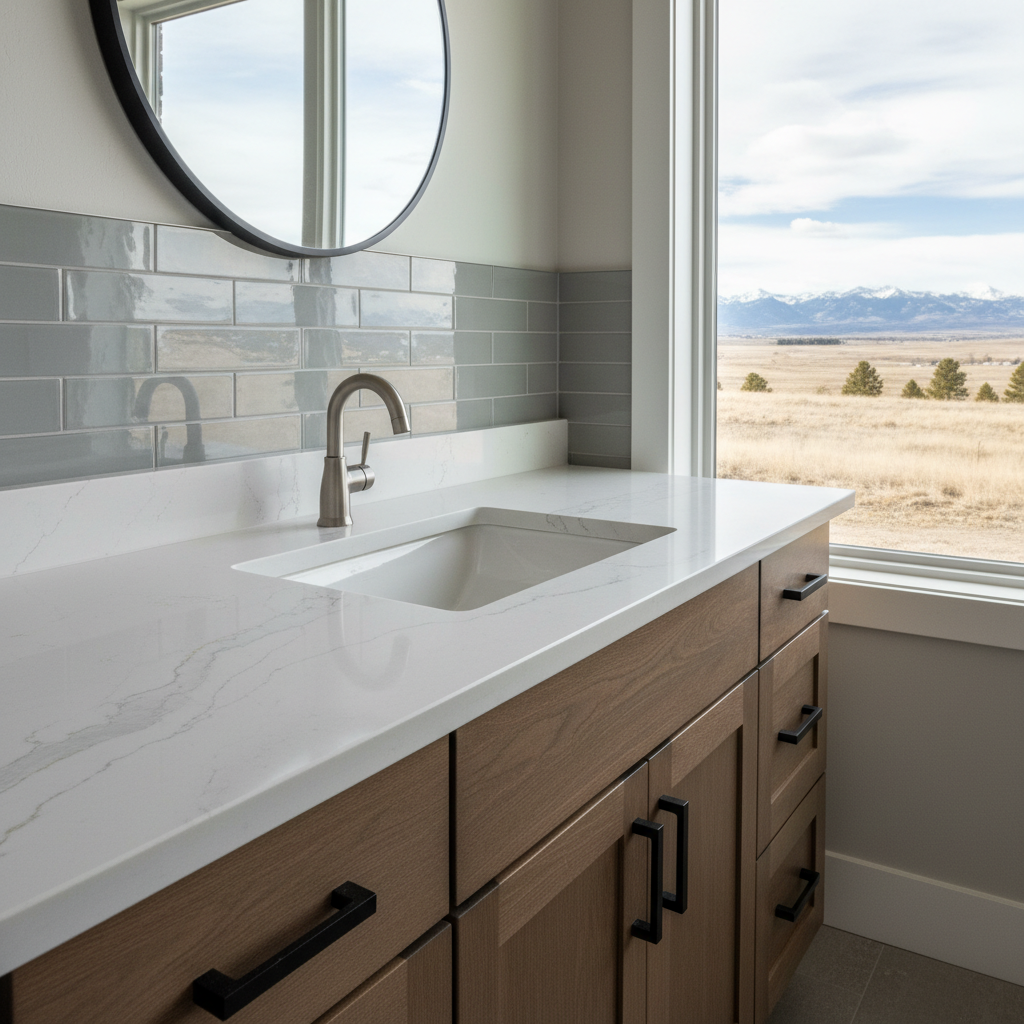
Alright, let's clear this up right off the bat because I hear these terms used interchangeably all the time, and they're not quite the same. A vanity is basically a cabinet with a countertop and a sink built into it. It's designed specifically for a bathroom, giving you storage underneath and a place for your sink. A cabinet is just that – a storage unit. You can put a cabinet in any room, but a vanity is purpose-built for the bathroom. And a pedestal sink? That's just the sink itself, usually a basin sitting on a narrow column. No storage, just the sink. People like 'em for small bathrooms or a more classic look, but you lose all that valuable storage space.
How do I pick the right size vanity for my bathroom?
This is probably the most common question I get. First, measure your existing vanity if you have one. If not, measure the available wall space where you want the new one to go. You need to consider a few things: door swings, shower clearances, and toilet placement. You don't want a vanity so big it blocks a door from opening all the way, or makes it impossible to sit comfortably on the toilet. Also, think about how much counter space you actually need. Are you sharing this bathroom? Do you have a ton of toiletries? For a powder room, a 24-inch or even a corner vanity might be perfect. For a master bath, you might be looking at 60 inches or more with double sinks. Don't forget to account for any trim or molding around the edges of your walls.
Can I replace just the sink, or do I have to replace the whole vanity?
You absolutely can replace just the sink, but it depends on the type of sink you have and the condition of your existing vanity. If you have an undermount or drop-in sink, and the countertop is still in good shape, you can often swap out just the basin. You'll need to find a new sink that fits the existing cutout in your countertop, or one that's slightly larger if you're willing to modify the cutout. If you have an integrated sink (where the sink and countertop are one piece), then you're replacing the whole top. If your vanity cabinet itself is old, water-damaged, or just not your style, then replacing the whole unit makes more sense. Sometimes, trying to save a few bucks by just replacing the sink ends up being more work than it's worth if the vanity is falling apart.
What's the deal with all the different sink materials? Which one's best?
There are a bunch of options, and each has its pros and cons. Here are the common ones we see in Great Falls homes:
- Ceramic/Porcelain: This is your classic, most common choice. It's durable, easy to clean, and affordable. It can chip if you drop something heavy, but generally holds up well.
- Cultured Marble: This is a mix of stone particles and resin. It's seamless, so no grout lines, and comes in a ton of colors. It's non-porous, so it resists stains and mildew. It can scratch, though, and might yellow over time if exposed to harsh cleaners or sunlight.
- Natural Stone (Granite, Marble, Quartz): These are beautiful, high-end options. Very durable and add a luxurious feel. They're more expensive and often require sealing to prevent stains, especially marble. Quartz is engineered, so it's less porous and generally more resistant to staining than natural marble or granite.
- Stainless Steel: Not as common in residential bathrooms, but you see them in more modern or industrial designs. Very durable, easy to clean, but can show water spots and scratches.
There's no single